“Even from the Body’s Purity, the Mind
Receives a secret sympathetic aid.”
—Thomson.
The text of this book has been preserved in its original formapart from correction of two typographic errors: incidently →incidentally, flouroscopic → fluoroscopic. Inconsistent hyphenationhas not been altered. A black underline indicates a hyperlink to apage, illustration or footnote (hyperlinks arealso highlighted when the mouse pointer hovers over them).A red dashed underline indicates a concealedcomment which can be viewed by hovering the mouse pointer over theunderlined text. Page numbers are shown inthe right margin and footnotes are located at the end. Footnotes are located at the end.
Numbering and labelling of illustrations is somewhat flawed.Figure 20 does not exist and figures 18–24 are not in correct numericalsequence. The text has several references to figures 25, 26, 27 and29 but these do not exist as figures in their own right – the numbersactually identify labelled items in figure 18 on page 91. Someillustration labels are very difficult to read.
INTESTINAL
IRRIGATIONORWHY, HOW, AND WHEN TO
FLUSH THE COLONTREATED IN CONNECTION WITH OTHER MATTERS
OF PHYSIOLOGICAL INTEREST AND
IMPORTANCE
BY
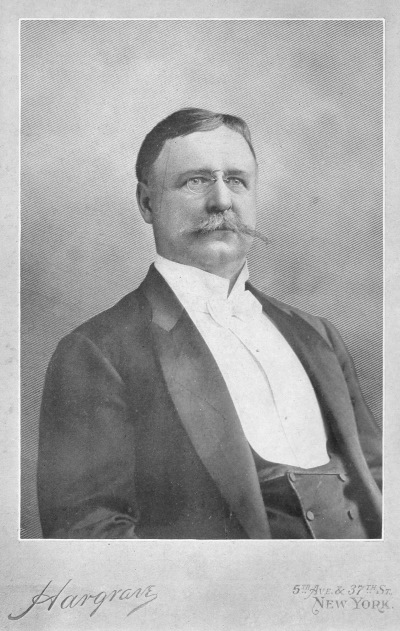
ALCINOUS B. JAMISON, M.D.
AUTHOR OF “INTESTINAL ILLS,” “HOW TO BECOME
STRONG,” ETC.
STRONG,” ETC.
Published by the Author
Third Edition
NEW YORK CITY
43 West Forty-fifth Street
1914
43 West Forty-fifth Street
1914
Copyright, 1914
BY
ALCINOUS B. JAMISON
BY
ALCINOUS B. JAMISON
PREFACE.
Within the last three decades the diagnosisand treatment of bowel troubles have beengreatly changed through improved instruments,technique, hygienic measures, and various remedialagents.
The domain of surgery of the anus, rectum, etc.,has been surprisingly limited, and that of gastro-intestinalhygiene enlarged, together with knowledgeof man’s assimilative and eliminative organs.Systemic and local hygiene has supplanted drugsand surgery in the treatment of diseases of theanus, rectum, sigmoid flexure, and vermiform appendix.Indeed, the domain of surgery will berestricted to what are still considered incurablediseases if the suggestions of this volume arewidely adopted. From a clinical experience extendingover a period of thirty-three years, however,—asa specialist in diseases of the anus,rectum, and intestinal machinery generally,—theauthor feels warranted in maintaining that, if hygio-therapicmeasures were taken by both physiciansand laymen, surgical clinics and hospitalsfor “operating” on ana
...